Joshua Carr, Minnesota Neuroscientist, Uncovers Surprising Memory Findings
Who is Joshua Carr, the "neuroscientist" presenting the long video you probably never finished watching?.
To make sure we're on the same page, the video i'm talking about is titled "chew on this probiotic herb to bring back years of lost memory" and the presenter looks like this:
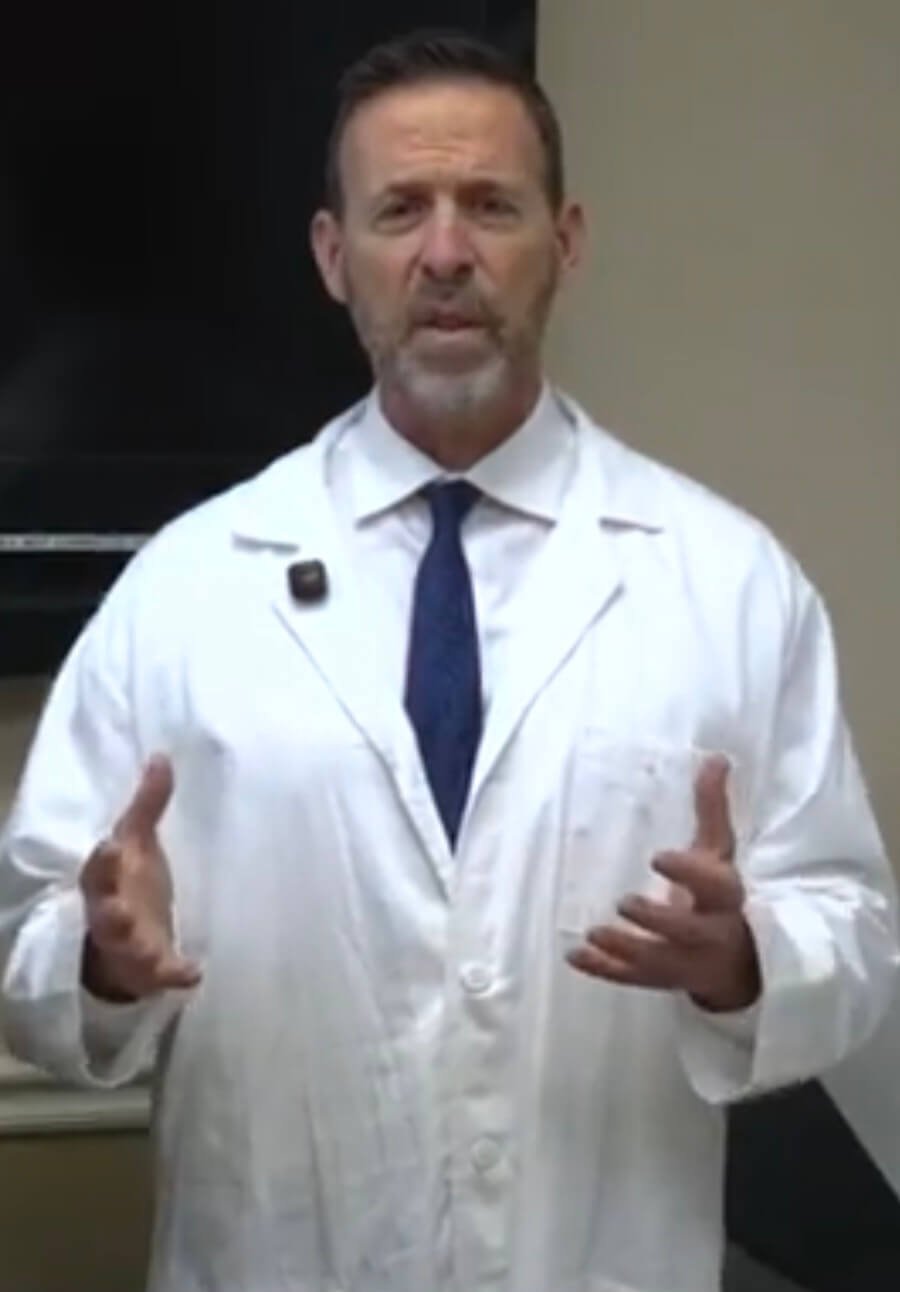
I've watched the entire 55 minutes video and here's what you need to know. If you didn't finish the video and are wondering who Joshua Carr is and what was said, here's a summary of it.
Who is Joshua Carr the neurologist?
From what's available on the video, here's a short profile of Joshua Carr:
- He has been a neuroscientist for more than 30 years in a private lab.
- His team recently developed a machine learning method to predict which medications might help treat anxiety, adhd, and depression.
- While not in the lab, he teaches neuroscience and neurobiology at one of Minnesota’s top universities, shaping the future through research and education.
- During this time he published no less than 140 scientific articles for publications such as science direct, PubMed, and ResearchGate.
- Recently, he completely shifted his focus to the brain’s ability to form and store memories. He cares about it so much, in fact it has become an obsession.
- Why? Because a few years ago, he witnessed how memory loss and cognitive decline turned the life of his wife, Molly, into a living hell when she should have been enjoying her retirement.
Sugar crystals forming in the brain and causing memory loss?
After introducing himself, Joshua Carr shifts the focus to what he calls “the real cause of memory loss”.
According to the video, a group of scientists from the Indian Buddha Institute and Hospital used a high-performance microscope to study brains affected by long-term cognitive decline.
The footage and description in the video present something dramatic: tiny crystal-like spikes forming around neurons — almost like frost building up on a window.
The scientists noticed that these structures seemed to:
- form slowly
- accumulate layer by layer
- harden over time
- press against the neurons underneath
And then comes the reveal:
What are these “crystal spikes” made of? Sugar.
The video uses this imagery to support the idea that the brain can end up storing and hoarding excess sugar.
Not in literal cubes or granules, but in the form of sugar-related byproducts that build up on neural tissue.
This is why Carr repeats a phrase that’s been circulating for years: “Cognitive decline is really Type 3 Diabetes.”
The logic is simple: If the brain is overwhelmed by sugar — unable to use it properly, unable to clear it out — it becomes weighed down, clogged, and unable to function at full capacity.
The comparison used in the article he cites is vivid:
“It’s like a roof covered in ice. Eventually the weight becomes too much, and the structure underneath starts to collapse.”
He references a short piece written by Dr. Thomas Miller, who explains that excess sugar in the brain doesn’t just lead to “brain fog,” but may:
- weaken memory
- slow processing speed
- reduce clarity
- interfere with how neurons communicate
Carr uses this to build his central argument: that memory loss is not simply “aging,” but the cumulative effect of years of metabolic stress on the brain.
Egg Toast Recipe for memory?
After explaining the idea of “sugar crystals” forming around neurons, the video shifts into a very unusual solution.
Carr claims he discovered a “super delicious egg toast recipe” that supposedly helps the brain break down and flush out those crystal-like deposits.
The recipe involves mixing kimchi into a simple egg toast.
But then he adds a twist: You’d need to eat “pounds of kimchi three times a day for years” to see only mild improvements.
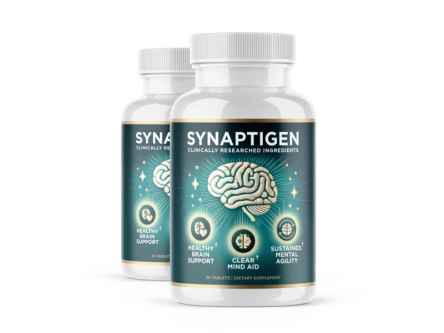
This sets up the transition from a food-based fix to a supplement-based fix, where he recommends Synaptigen brain power boosting formula.
Carr says that he and Dr. Thomas Miller took the idea behind the kimchi toast — specifically the probiotic angle — and concentrated it into an easier, more potent form.
The product they promote at the end of the video is a supplement called Synaptigen, which they claim:
- melts the “sugar crystals”
- protects the brain from forming new ones
- boosts memory
- sharpens focus
The formula is described as containing:
- Lactobacillus Paracasei
- Lactobacillus Reuteri
- Bifidobacterium Lactis BL-04
- Inulin
- Tricalcium Phosphate
- Strawberry Extract
- Peppermint Extract
These ingredients are presented as a concentrated alternative to the “kimchi egg toast” method.
If you're interested in trying it out and believe it can help you, you can click the button below to get it on the official website.
Copyright 2025 All Rights Reserved.